construction-works-of-a-drilling-machine-for-detec-2023-11-27-04-48-57-utc-1024x683

Electrical Conduits

The primary purpose of installing electrical utility lines is to distribute electrical power from generation sources (like power plants) to residential, commercial, and industrial users. Utility lines are essential for the development and expansion of urban and rural areas, enabling electronic devices to be activated.

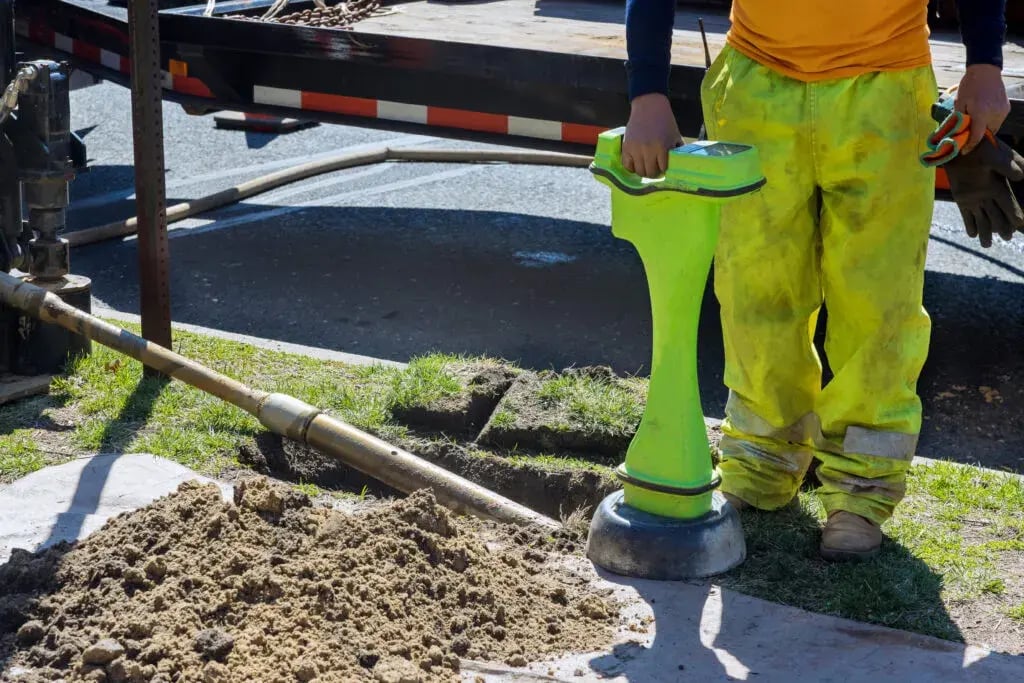
Some utility corridors require as small as a one-inch diameter casing, others require significantly larger diameter casings to accommodate all of the necessary cables. The larger the diameter, the more excavation that needs to take place during a traditional trenching installation. Horizontal directional drilling (HDD) removes the unnecessary excavation by installing the electrical utility directly into the subsurface. As a result, there is no need to tear up roadways or go around existing infrastructure, and the restoration costs associated with the installation are significantly reduced.

DTI_Expert-Environmental-Driller

HDD is particularly useful in situations where the utility electrical line must be installed in environmentally sensitive areas, such as wetlands. It is nearly impossible to trench through environments like this, as contractors are forced to jump through logistical and permitting hoops.

Rather than reorganizing the entire layout of the utility sewer system, HDD can install the conduit through these zones without any disturbance to surface-level features. As a result, the environmental footprint is minimized, and the preservation of landscapes is increased by reducing the impact on ecosystems and lowering the risk of erosion.

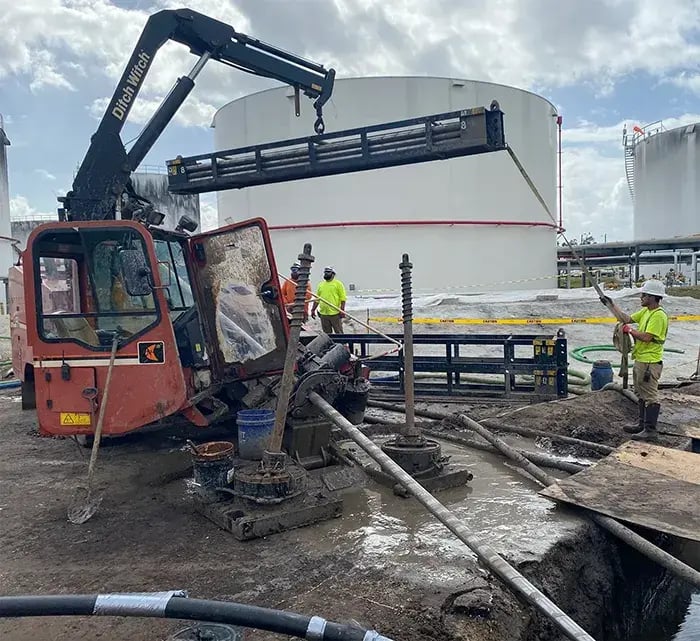
At the end of the day, no one can plan what the subsurface conditions are. It takes an experienced driller to be able to diagnose and install an electrical utility line in difficult conditions. Directional Technologies has drilled and installed horizontal conduits and remediation wells across the entire country and has even traveled internationally to assist in more challenging installations. As a result, there are very few ground conditions or obstructions that our team has not encountered.

Osha

Horizontal directional drilling techniques are the preferred method for utility electrical line installations. In the long run, the HDD application is both time-efficient and cost-effective.

electric-car-on-electric-car-charging-station-power-supply-for-electric-car-charging-

Renewable Electric Charging Stations

Renewable electric charging stations rely on effective infrastructure for connection to the power source. Horizontal directional drilling plays a crucial role in keeping electric vehicles charged and on the road by installing the necessary conduits safely and without surface-level interruptions.

looking-at-laptop-screen-and-typing

Renewable electric charging stations are facilities where electric vehicles (EVs) can recharge their batteries using electricity generated from renewable energy sources, such as solar, wind, hydro, or geothermal power. These stations are a crucial component of the infrastructure needed to support the growing number of electric vehicles on the road, helping to reduce greenhouse gas emissions by ensuring that the energy used to charge EVs is clean and sustainable. These charging stations, however, require a significant amount of cabling and conduit installations in order to route the power sources to where they need to be.

Horizontal directional drilling (HDD) is a trenchless method used to install underground utilities and infrastructure such as electrical cables, pipelines, and conduits, without the need for extensive surface excavation. HDD is particularly beneficial for the installation of renewable electric charging stations by avoiding surface-level disruptions, routing around and under obstacles, and preserving sensitive areas.

atlanta-georgia-usa-downtown-skyline-

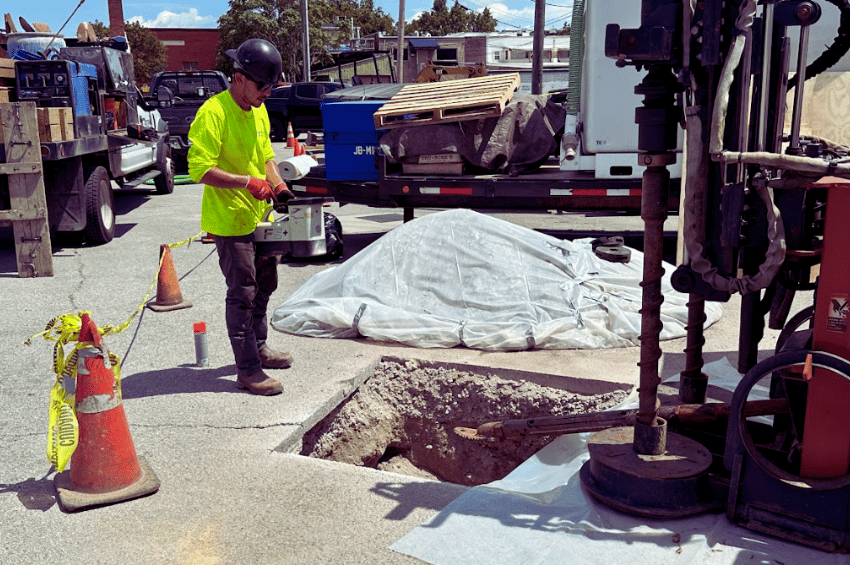
Many EV charging stations are established in well-traveled areas, such as rest stops or hotel parking lots. If traditional trenching methods were used to install the associated electrical conduits, it would require significant destruction to the parking lot and general landscaping. The associated restoration costs that come with trenching can add up fast, as surface conditions need to be returned to their pre-existing state. A horizontal drill rig, on the other hand, can be set up in a location that is out of the way, while still drilling and installing the subsurface conduits with precision. Restoration efforts and costs are significantly reduced since only an entry-pit and exit-pit are required for horizontal directional drilling installations.

Whether the cabling lengths are a couple of tens of feet or hundreds to thousands of feet, HDD is a clean and precise method to connect renewable electric charging stations to the power source.

Horizontal directional drilling is an efficient and environmentally friendly way to install underground infrastructure for renewable electric charging stations.

Contact One of Our Environmental Experts Today!

Have a project or interested in learning more about how horizontal remediation can help you achieve site closure?