Blind Technique For Horizontal Wells
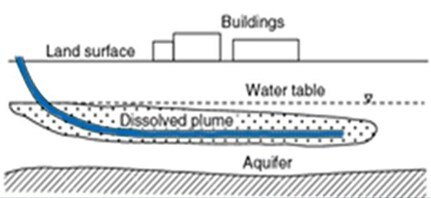
Let’s separate the truths from the myths as they apply to the drilling and installation of horizontal remediation well through the blind technique. But first, what is a blind installation? It is often assumed that the installation of horizontal remediation wells requires both an entry point and an exit point; an entry point for the insertion of the drill pipe and an exit point where the drill pipe exits the subsurface and the well material is pulled back into place. The process of blind installations, however, is a process that eliminates the need for an exit point. Instead, the well bore is terminated in the subsurface at the far end of the proposed screen and the well material is pushed into place. As a result, more screen can be placed in direct contact with the contamination, while access restraints that prevent vertical wells and entry-exit installations are avoided. The successful installation of horizontal wells through blind techniques relies on the method and mud. Horizontal directional drilling is exclusively a mud-rotary operation. Unlike vertical well installations, gravity constantly works against the integrity of the horizontal borehole. The mud is required to stabilize the borehole, preventing collapse so that the well materials can be installed safely and effectively.